
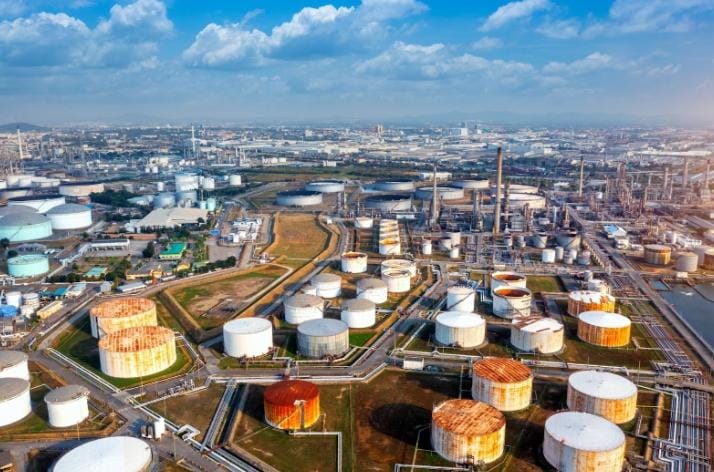
The Gulf oil industry is facing an unprecedented shutdown threat as the storage crisis triggered by the Iran conflict forces producers to choose between cutting output and running out of places to put it. Kuwait has already begun reducing production at fields that have no remaining storage capacity, and energy consultants estimate Saudi Arabia and the UAE face the same decision within 20 days — a timeline that has driven Brent crude past $91 a barrel.
The physical constraints of the situation are immovable. Gulf oil storage infrastructure was designed and built for normal operating conditions, not for extended periods in which shipping lanes through the Strait of Hormuz are closed. With tanker traffic severely disrupted by Iran’s threats and attacks on vessels, oil is accumulating onshore at a rate that existing storage simply cannot handle. The mathematics of that accumulation have placed a hard deadline on the crisis.
Should Saudi Arabia and the UAE be forced to halt production, the consequences would be felt across the global economy for months. Restarting halted oil production is technically complex and expensive — it typically takes weeks to accomplish, meaning that any shutdown forced by today’s storage crisis would keep supply constrained long after any diplomatic resolution to the conflict. The market is already pricing in a significant probability of this scenario.
The LNG dimension adds another layer of urgency. Qatar has suffered drone-strike damage to a key LNG terminal and faces a recovery measured in weeks or months. Qatar’s energy minister has warned that if the conflict continues, all Gulf exporters could halt production within weeks, pushing oil to $150 a barrel. European gas prices have already hit three-year highs in response to the partial LNG supply disruption.
Financial markets are treating the shutdown threat as real and immediate. Oil prices have surged more than 25% in a single week — the biggest gain since the Covid-19 pandemic. Stock markets have fallen sharply across Asia, Europe, and the UK. Bond yields have surged to multi-year highs, rate cut expectations have been abandoned, and airlines have issued profit warnings. The Gulf oil shutdown threat is not a market hypothesis — it is a rapidly approaching physical reality.