
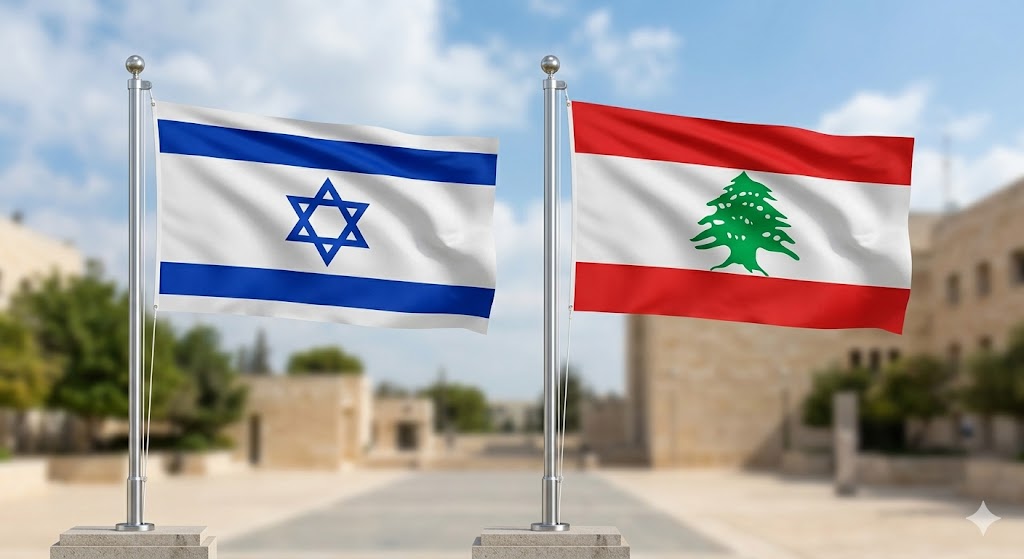
In a significant diplomatic development, Israel and Lebanon have agreed to renew a ceasefire and continue negotiations aimed at a comprehensive peace agreement. This decision, announced in collaboration with the United States, stipulates that Hezbollah, the Iran-backed armed group that operates independently of the Lebanese government, must halt all attacks. The ceasefire renewal marks a step forward in reducing hostilities and seeking a more stable resolution.
Central to this agreement is the creation of pilot security zones, where the Lebanese Armed Forces will maintain exclusive control, ensuring the absence of non-state armed groups. This initiative is designed to bolster security and foster conditions conducive to a lasting peace settlement between the two nations. The recent agreement emerged from a new series of high-level discussions between representatives from both countries, during which they reiterated their commitment to peaceful relations and pledged to continue direct dialogue to resolve lingering issues.
Efforts to develop a robust security framework were also highlighted in the joint statement, focusing on safeguarding the sovereignty and territorial integrity of Israel and Lebanon. Part of this framework involves preventing unauthorized armed groups from re-establishing themselves in sensitive regions, which is critical to maintaining peace along the border areas.
Despite this diplomatic progress, tensions remain high as clashes persist along the border. The Israeli military reported that it intercepted projectiles and a hostile aircraft originating from Lebanon. Meanwhile, Hezbollah claimed responsibility for targeting Israeli forces, citing alleged ceasefire violations as the cause. Lebanese authorities also reported casualties resulting from Israeli strikes in southern Lebanon, underscoring the fragile nature of the current truce.
As both nations strive toward a broader and more enduring peace agreement, they are scheduled to resume negotiations later this month. These talks aim to build upon the current ceasefire and address unresolved issues, paving the way for a more stable and peaceful future in the region.