
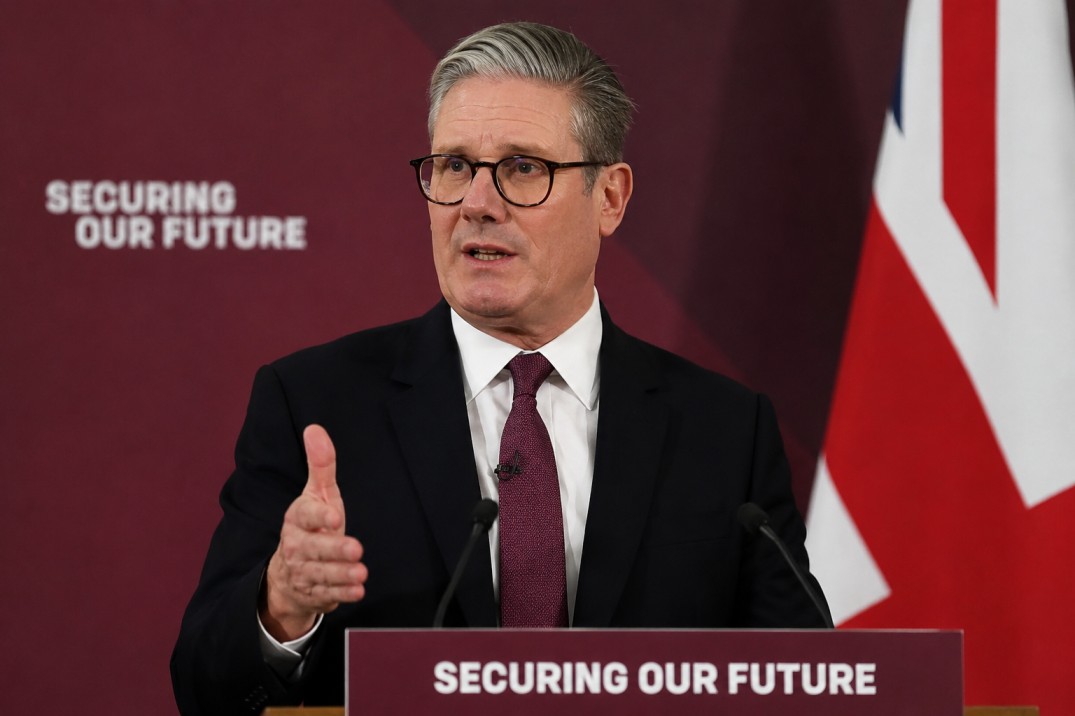
In a significant policy announcement, UK Prime Minister Keir Starmer has unveiled plans to substantially increase defense spending, with nearly £300 billion earmarked for investment over the next four years. This ambitious move is part of a 10-year Defense Investment Plan aimed at modernizing the country’s armed forces and enhancing national security to address the growing number of security challenges and evolving global threats. The plan includes an additional £15 billion in funding, underlining Starmer’s assertion that defense expenditure is intrinsically linked to economic stability.
Central to the investment strategy is a dedicated allocation of over £5 billion for the development of drones and autonomous military systems within the next four years. This allocation is intended to bolster the UK’s military capabilities and ensure its readiness for future conflicts, reflecting a shift towards advanced technological warfare. The emphasis on modernizing the military with cutting-edge technology highlights the UK’s commitment to maintaining a robust defense posture.
The announcement comes against a backdrop of internal debates within the Labour government regarding the balance between defense funding and other governmental priorities. The plans have sparked discussions among officials who face the challenge of aligning military investments with broader public policy objectives. These internal deliberations underscore the complexity of defense budgeting in the face of competing national interests.
Additionally, this strategic move aligns with broader geopolitical dynamics, as NATO members, including the UK, are being urged to increase their defense budgets. This call to action is driven by a need to lessen reliance on the United States for security support amid escalating international tensions. The UK’s decision to boost its defense spending reflects a commitment to contributing more actively to collective security efforts within the NATO alliance.