
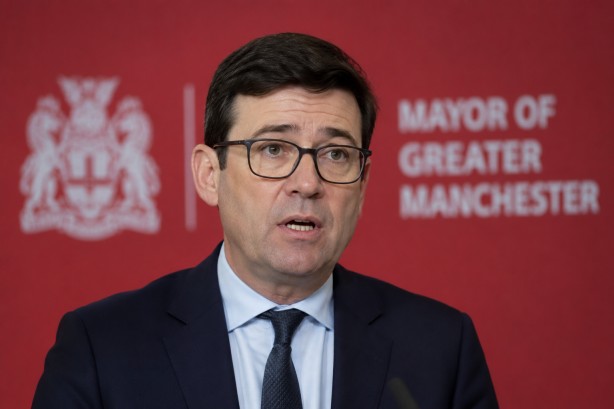
British Prime Minister Andy Burnham is charting a course towards enhanced cooperation with the European Union as part of his domestic economic strategy, while firmly ruling out any plans to rejoin the EU or reignite the Brexit debate. This approach has been met with optimism by European officials, including European Commission President Ursula von der Leyen, French President Emmanuel Macron, and German Chancellor Friedrich Merz, who have all expressed a desire for improved relations between the UK and the EU under Burnham’s leadership.
Recognizing the economic setbacks caused by Brexit, Burnham is committed to mending the country’s economic wounds by focusing on unifying the nation rather than reopening contentious EU membership discussions. His administration is prioritizing the enhancement of domestic manufacturing, regional development, artificial intelligence, energy security, and digital infrastructure investment. Analysts note that these goals are in line with the EU’s strategic priorities, which emphasize industrial resilience, technological advancement, and supply chain security.
As part of this cooperative spirit, the UK and the EU are expected to finalize several agreements in the near future. These include simplifying trade procedures for food products, linking carbon emissions trading systems, and establishing a youth mobility scheme for individuals aged 18 to 30, all aimed at fostering smoother interactions and stronger ties.
Experts suggest that Burnham’s focus on economic growth and regional investment could pave the way for more profound practical collaborations with the EU. This could manifest in joint industrial ventures, technology partnerships, and initiatives to bolster supply chains, even without altering the fundamental framework of the UK’s post-Brexit relationship with the EU. By aligning with the EU’s strategic goals, Burnham’s policy direction may lead to a mutually beneficial partnership that enhances both the UK’s and the EU’s competitive edge on the global stage.