
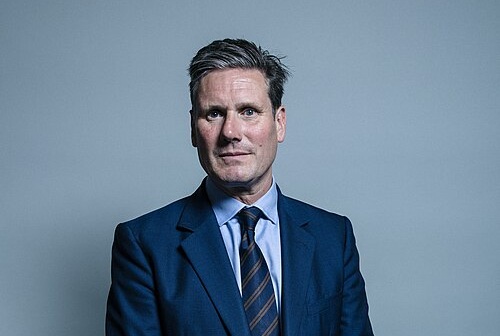
In a significant political development, British Prime Minister Keir Starmer announced his intention to step down as the leader of the Labour Party and resign as prime minister once his successor is selected. Starmer’s decision comes after his leadership, which commenced with a resounding Labour victory in the July 2024 elections, faced declining support both within the party and among the public. He will continue to serve as a caretaker prime minister during the leadership transition period.
The announcement follows the recent electoral success of Andy Burnham, who has indicated his desire to contest for the party leadership, thereby intensifying calls for a change. Burnham’s emergence as a potential leader has added momentum to the calls for new leadership, as Labour attempts to address its declining approval ratings. The party is now poised to begin the process of selecting a new leader, with Burnham considered a strong candidate. In addition, former Health Secretary Wes Streeting has expressed potential interest in entering the leadership race if it unfolds.
Outside 10 Downing Street, Starmer acknowledged the concerns voiced by party members about his capability to lead Labour into the forthcoming general election. He gracefully accepted his colleagues’ verdict, emphasizing his respect for their judgment. Despite facing criticism on the domestic front, particularly regarding economic challenges and rising living costs, Starmer’s tenure was marked by commendations for his handling of international affairs. His support for Ukraine and diplomatic engagements during tensions in the Middle East were notably praised.
Starmer’s announcement signals a critical juncture for the Labour Party as it navigates internal pressures and public perception challenges. The leadership transition is expected to be a pivotal moment for the party as it strategizes to regain public trust and improve its standing. The upcoming leadership contest will likely shape the future direction of the Labour Party as it prepares for the next general election, with key figures like Burnham and possibly Streeting playing central roles in this transformative phase.