
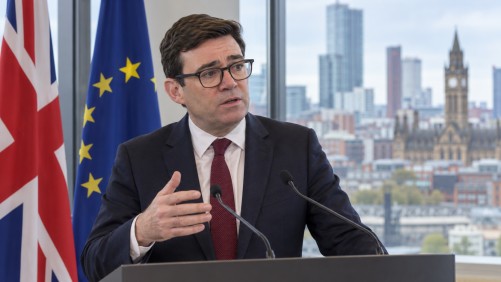
UK Prime Minister Andy Burnham is set to urge Parliament to strengthen ties with the European Union, cautioning that neglecting to improve the current Brexit agreement would be a “major dereliction of duty.” Burnham plans to address the House of Commons after the parliamentary recess, emphasizing the economic challenges posed by Brexit and the potential benefits of enhanced cooperation with Europe.
Burnham’s upcoming speech is expected to focus on the need for a pragmatic reassessment of Britain’s relationship with the EU, particularly in light of the economic impact on trade and immigration. He will argue that maintaining the status quo could limit business opportunities and harm economic prospects, highlighting the importance of securing better terms with the bloc.
The call for closer EU ties comes as the government seeks progress in reducing post-Brexit trade barriers. Key issues include administrative hurdles affecting the import and export of food and agricultural products, as well as cooperation on migration policies. Businesses have expressed concerns about the additional paperwork and costs associated with border checks, with supporters of closer EU ties arguing that easing these obstacles could enhance trade and provide greater certainty for companies operating within European markets.
Political divisions over the future of Britain’s relationship with the EU have resurfaced as a result of Burnham’s stance. While some senior Conservative figures oppose Labour’s efforts to strengthen EU ties, including proposals to ease agricultural trade barriers, there is also division within the Labour Party. Some MPs, particularly those representing constituencies that voted for Brexit, worry that reopening the debate could exacerbate political tensions. Others remain cautious about pursuing closer economic integration or EU membership.
At the recent Labour conference in Liverpool, Burnham contended that Brexit had caused more harm than good and urged the government to reconsider the UK’s long-term relationship with Europe. His latest intervention is expected to focus on practical measures to improve cooperation rather than revisiting the referendum debate.
The ongoing discussions and government strategy could significantly influence future negotiations with Brussels, as the UK weighs the potential economic advantages of closer EU collaboration against domestic political considerations. The issue remains contentious, with more than 111,000 people signing a petition calling for the UK to rejoin the EU, setting the stage for a parliamentary debate on the matter.