
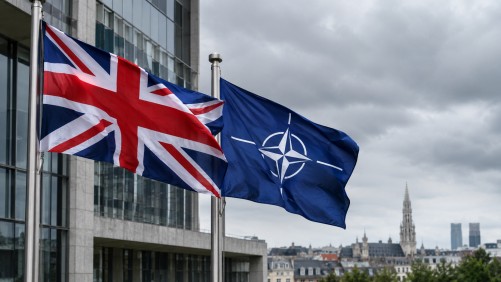
In a firm stance against Russia’s demands, British Prime Minister Andy Burnham has dismissed calls for altering Europe’s security framework, emphasizing the sovereignty of European nations in determining their own defense policies. This declaration was made following his participation in the European Political Community summit held in Dublin, where European leaders convened to discuss regional security issues.
Burnham reiterated the United Kingdom’s unwavering commitment to European security, highlighting that Britain’s submarine-based nuclear deterrent will continue to be a part of NATO’s collective defense strategy. This position aligns with the broader European consensus that Russia should not dictate the continent’s security arrangements.
Ukraine’s Foreign Minister Andrii Sybiha echoed this sentiment, criticizing Russian President Vladimir Putin’s attempts to reshape the security landscape of Europe. Sybiha pointed out that despite incurring significant casualties, Russia has not achieved its military objectives in Ukraine, undermining its negotiating position.
Further rejecting Russian demands, Finnish Defence Minister Antti Häkkänen categorically dismissed any negotiation over Finland’s NATO membership, labeling such demands as unacceptable. This mirrors the broader European resistance to Russia’s proposals.
Russia’s demands reportedly include retracting NATO forces to their 1997 positions, halting further expansion, ceasing military activities in specific regions of Europe, and imposing restrictions on Western military support for Ukraine. Additionally, Moscow has called for limitations on the nuclear defense capabilities of European allies. Despite these pressures, European leaders have consistently opposed these demands, underscoring their commitment to maintaining sovereignty over their security policies.