
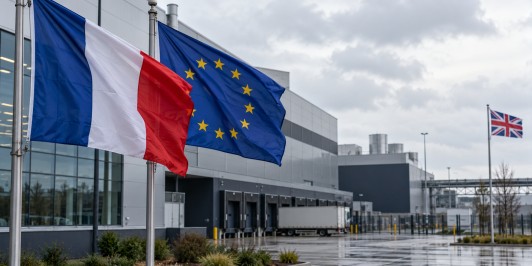
France is advocating for the European Union’s proposed “Made in Europe” rules to be applied mainly to companies within the EU, which could restrict British firms from accessing EU public contracts and incentives in strategic sectors. This move is part of the Industrial Accelerator Act, aimed at boosting demand for low-carbon products made in Europe through public procurement and government support. The sectors covered include steel, cement, aluminium, electric vehicles, and other net-zero technologies.
The French government is pushing for a narrow interpretation of these rules, which would limit eligibility to businesses based in the EU’s 27 member states. In contrast, the UK, no longer part of the EU single market, is seeking to be recognized as a trusted partner, allowing British companies to compete for opportunities under this new framework.
However, not all EU countries are aligned with France’s viewpoint. Germany and several Nordic countries have expressed support for a broader approach that could extend to include trusted non-EU partners like the UK. The discussions around these rules are ongoing, and the final version of the Industrial Accelerator Act will need to be negotiated by the European Parliament and the EU Council before it is adopted.
The outcome of these negotiations could significantly impact the strategies of businesses within and outside the EU, especially those in industries critical to the bloc’s net-zero ambitions. As the talks progress, the balance between protectionism and collaboration with non-EU countries remains a key consideration for EU policymakers.