
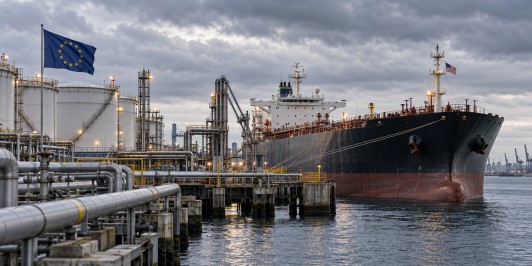
The European Union has raised alarms over reports that U.S. President Donald Trump is contemplating a 90-day ban on diesel exports, cautioning that such a move could disrupt both U.S. and European fuel markets. The proposal aims to boost fuel availability domestically amid record-high pump prices in the U.S. Yet, energy experts and European officials warn that restricting exports could constrict global diesel supplies, potentially driving prices higher.
Europe’s reliance on U.S. diesel imports has grown significantly as disruptions in the Middle East and Russia have affected refining capacities. This dependency underscores the potential impact of any U.S. export restrictions. The European Commission emphasized the importance of dialogue between trading partners before enacting measures with global repercussions, highlighting that disruptions could affect both continents.
While Europe is not expected to face an immediate diesel shortage, thanks to its domestic refineries and strategic reserves, the absence of U.S. supplies could lead European buyers to seek alternative sources, increasing competition for cargoes from regions like the Middle East and India. The UK, in particular, may experience heightened pressure due to its limited refining capacity and dependence on imported refined fuels, potentially escalating costs for critical sectors such as agriculture and transportation.
Diesel prices have already surged across various European markets, exacerbated by refinery disruptions in the Gulf region and Russia. A U.S. export ban could further tighten the global diesel market, intensifying competition for the available supply.
While the proposed ban is intended to alleviate fuel shortages for American consumers, the ripple effects of reduced U.S. exports could pose significant challenges for European and other international markets. The potential for widespread market strain underscores the interconnected nature of global fuel supplies and the far-reaching consequences of national policy decisions.