
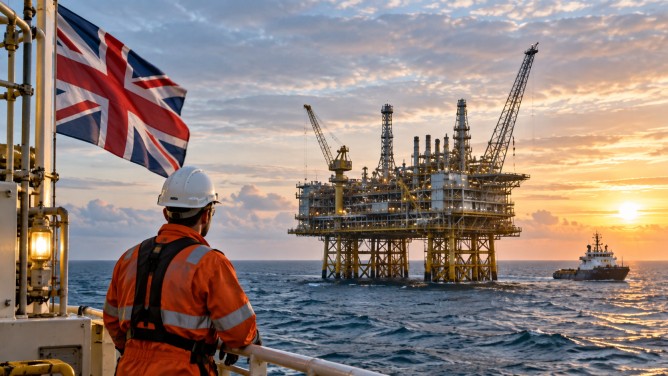
The potential for a £50 billion boost in North Sea investment and the creation of industrial jobs is at the heart of a proposal urging the UK government to reconsider the windfall tax on fossil fuel companies. Offshore Energies UK (OEUK), the trade body representing the oil and gas sector, argues that ending the Energy Profits Levy in 2027 rather than 2030 could spark significant economic growth and contribute an additional £14.9 billion in tax revenue over the next ten years.
OEUK has suggested that the current tax system, which was implemented in 2022 in response to surging energy prices following Russia’s invasion of Ukraine, should be replaced with a narrower levy. This proposed levy would apply when oil and gas prices exceed a predetermined threshold, maintaining a 35% tax rate during these high-price periods. According to OEUK chief executive David Whitehouse, such a change would sustain higher taxation during periods of elevated prices while simultaneously incentivizing investment in the industry.
The organization is also pushing for the approval of key projects like Rosebank and Jackdaw, asserting that bolstering domestic production could lessen the UK’s dependence on imported natural gas. This strategic move is seen as a way to secure energy independence and enhance the country’s energy infrastructure.
However, the proposal has met with resistance from environmental groups and advocacy organizations, which advocate for a stronger windfall tax instead. Greenpeace, for instance, argues that oil and gas companies should bear a greater financial burden to help alleviate high living costs and energy prices for households.
The debate highlights a broader conflict between fostering industrial growth and addressing environmental and social concerns. As discussions continue, the outcome will significantly impact the UK’s energy policy and economic landscape in the coming years.