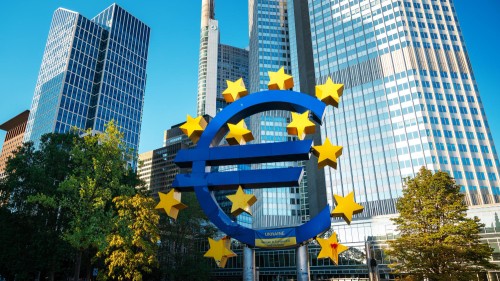
The European Central Bank (ECB) has implemented its first interest rate hike since 2023 in response to escalating inflation, primarily driven by increased energy costs linked to the ongoing conflict in Iran. The ECB has raised its main deposit rate from 2% to 2.25%, signaling the possibility of further increases if inflationary pressures continue. This decision comes as eurozone inflation reached 3.2% in May 2026, rising from 3% in April, largely due to the surge in oil and gas prices amid global supply disruptions.
Despite the rate hike, the ECB’s official inflation target remains at 2%. However, officials have cautioned that the economic landscape is fraught with uncertainty. The persistent geopolitical tensions could maintain the upward pressure on energy prices, which would, in turn, continue to strain consumer prices throughout the region.
In conjunction with the interest rate adjustment, the ECB has also downgraded its growth projections for the eurozone economy. The revision reflects concerns over diminished demand and ongoing global instability. Economists have pointed out that the central bank is now focusing more on controlling inflation than on addressing short-term growth issues.
There is a divide among analysts regarding the ECB’s future course of action. Some predict one or two more rate increases, while others suggest that the slowing economic growth might restrict further tightening measures. As energy market volatility continues to affect global monetary policies, other leading central banks, including those in the United States and the United Kingdom, are also closely monitoring inflation trends.